Why Waiting Works: The Brain Science in Plain Terms
Impulse purchases aren't random — they're the predictable result of how the brain processes novelty and reward. When you encounter something you want, the brain releases dopamine in anticipation of acquiring it. That anticipatory reward signal is strongest at the moment of discovery, not at the moment of actual use. This is why a new purchase can feel more exciting in the store than at home a week later.
A 24-hour delay doesn't require willpower in the traditional sense. It simply gives the initial neurological excitement time to subside, so your evaluation of the item happens from a calmer baseline. Research in consumer behavior broadly supports the idea that emotional distance — time being one reliable way to create it — leads to more deliberate, values-aligned decisions. For a deeper look at the mechanics behind this, see our piece on the psychology behind impulse buying.
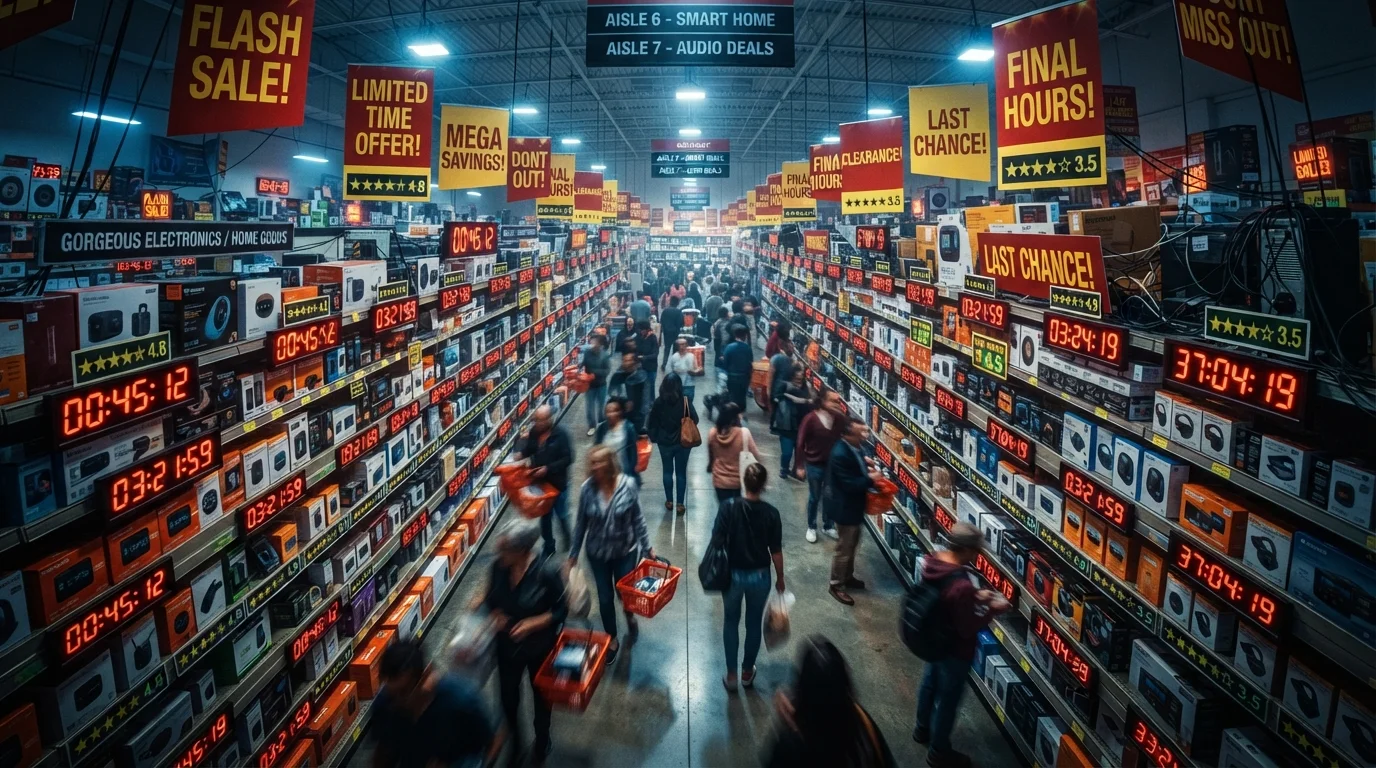
The rule also counters a common retail design principle: urgency. Countdown timers, low-stock alerts, and limited-time framing are built to compress your decision window. A standing personal policy to wait 24 hours neutralizes these prompts by making your default behavior independent of whatever the retailer is doing.
Urgency Messaging Is Designed to Override Your Pause
Countdown timers, 'only 2 left' notices, and flash-sale banners are specifically engineered to make waiting feel costly. Most of these triggers are marketing tactics, not genuine scarcity signals. Treat any message that makes delay feel dangerous as a reason to wait longer, not shorter.
How to Apply the Rule Without Losing Track
The practical challenge isn't conviction — most people agree the idea makes sense. The challenge is execution: if you don't buy now, you worry you'll forget, miss a good price, or lose access to the item. A simple capture system solves this.
What you will need
Record the item with enough detail to find it again. Price, source, and a brief note about why you want it. That's all you need. Then walk away from the purchase environment entirely.
Wish List or Note-Taking App
Captures the item and price so you don't have to rely on memory during the waiting period.
Calendar or Reminder App
Sets a 24-hour follow-up alert so the decision doesn't get forgotten or indefinitely delayed.
When you return 24 hours later, many items will feel less urgent on their own — no additional analysis required. For those that still feel genuinely worthwhile, you can think through the real trade-off between timing and price. That consideration is covered in detail in our article on paying full price vs. waiting for a sale.
Your Wish List Is Your Reset Button
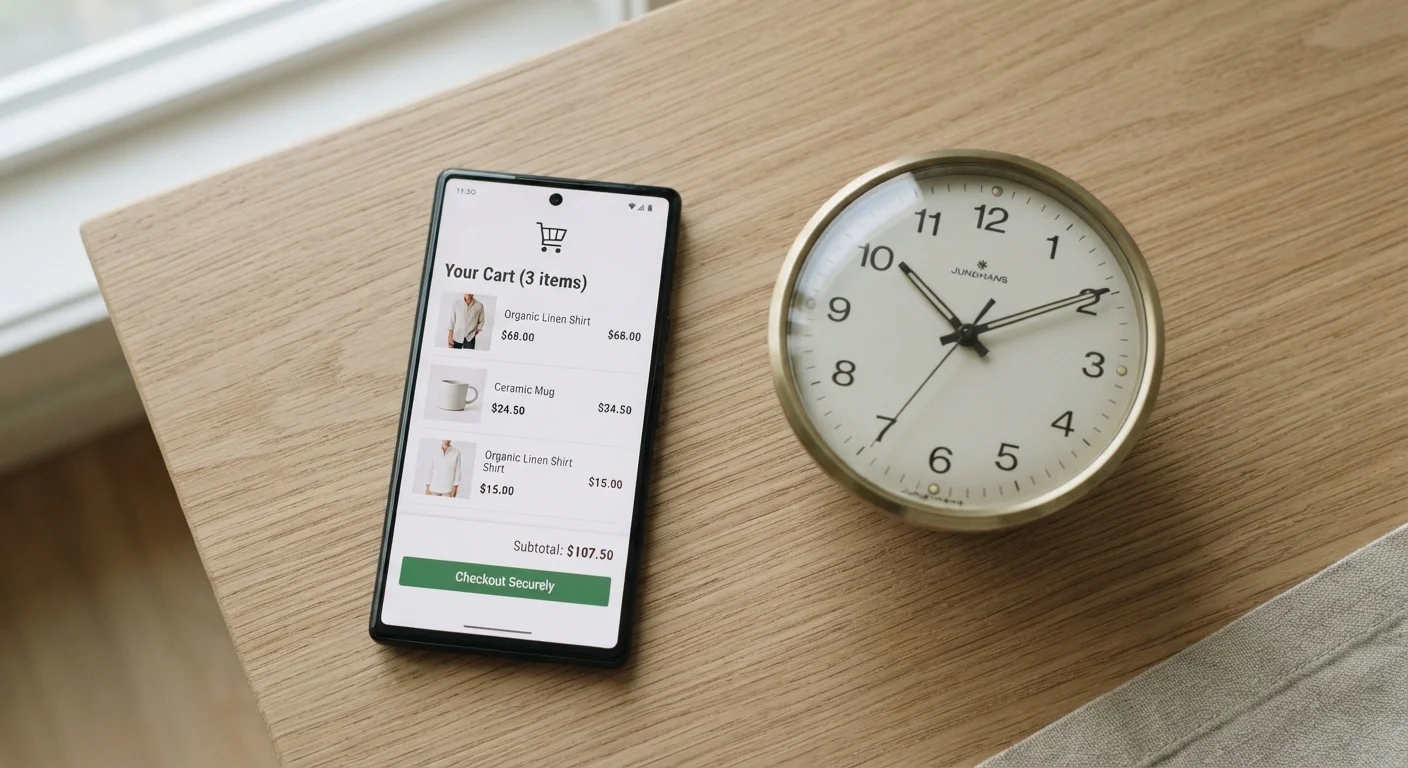
Keeping a dedicated wish list — a note on your phone, a saved cart, or a simple document — removes the fear that you'll forget the item if you don't buy it now. That fear is often the biggest trigger for skipping the wait. Reviewing your list weekly also reveals which 'must-haves' quietly lost their appeal on their own.
Recognize the impulse in the moment
The rule only works if you catch the urge before you act on it. When you feel the pull to add something to a cart or pick it up in a store, that physical or emotional pull is your cue to pause. Notice it without judging it — the goal isn't to feel bad about wanting things, it's simply to create a small gap between desire and decision.
Record the item, price, and your reason for wanting it
Write down the item name, the price you saw, where you found it, and — this part matters — one sentence explaining why you want it. That sentence forces you to articulate a reason rather than act on feeling. 'It looked cool' is a valid answer. The point is to make the desire visible rather than automatic.
Close the tab or leave the store
Physically or digitally exit the purchase environment. This step is non-negotiable. Staying in the store 'just to look' or keeping the cart open 'just in case' keeps the emotional arousal elevated. The 24-hour period needs to happen away from the stimulus. Set a reminder if needed — your wish list has the details.
Return to your list after 24 hours and reassess
After a full day, revisit what you wrote down. Ask yourself three questions: Do I still want this as much as I did yesterday? Do I have a clear plan for how I'll use it? Does the price feel reasonable given my current budget? If the answers are still yes, the purchase is likely considered rather than impulsive. If the urgency has faded, that's the rule doing exactly what it's supposed to do.
For additional structured questions to ask before completing any purchase, see the pre-purchase decision checklist.
Build the habit into your regular routine
Like any behavior change, consistency matters more than perfection. You won't catch every impulse, and that's fine. Start by applying the rule to purchases above a threshold you set — say, anything over $30 — and expand from there as the habit takes hold. The everyday habits that reinforce disciplined spending are rarely dramatic; they're small, repeatable actions that stack over time.
This Is Not a Rule for Every Purchase
The 24-hour rule applies to non-essential, unplanned purchases — not groceries, medications, or time-sensitive necessities. Applying it too broadly can create unnecessary friction. Use judgment about which purchase categories genuinely benefit from a pause.
This article is for general informational and educational purposes only. It does not constitute personalized financial advice. Consult a qualified financial professional for guidance specific to your situation.