Why Bad-Weather Driving Demands a Different Mindset
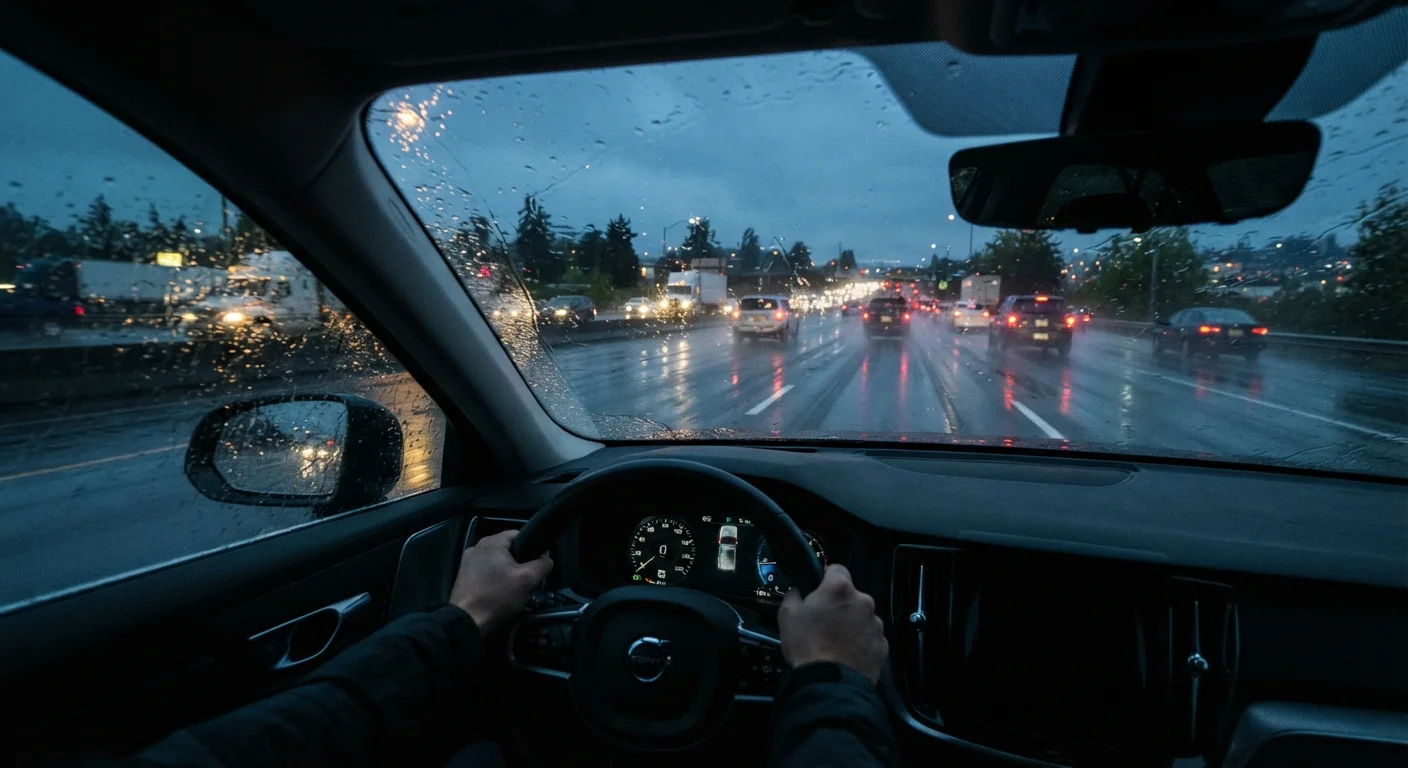
Most traffic laws - including posted speed limits - are written around average conditions on dry, well-maintained roads. When precipitation arrives, the fundamental physics of driving change: tires have less grip, stopping distances grow dramatically, and the margin for error shrinks. Understanding why the rules of the road shift in wet or icy conditions is the foundation for every technique that follows.
Water on the road creates a film between your tires and the pavement, reducing friction. At higher speeds this can cause hydroplaning - where the tire rides on a layer of water rather than the road surface itself, effectively eliminating steering and braking control. Ice reduces friction further still, often to a small fraction of dry-road levels. Snow adds unpredictability: a cleared track can look safe while surrounding lanes are deeply packed.
Speed limits, road design, and driver behavior are interconnected under normal conditions; in bad weather, the gap between posted limits and safe speeds widens significantly. Adjusting your expectations - not just your foot on the pedal - is the critical first step.
What you will need
Step-by-Step: Adjusting Your Driving Technique
The steps below apply across rain, snow, and ice, with notes where a specific condition changes the guidance. Work through them as a mental checklist each time conditions deteriorate.
Never Use Cruise Control on Wet or Icy Roads
Cruise control is designed for consistent, dry-highway driving. On slippery surfaces, the system can apply unwanted throttle to maintain speed during a brief wheel-spin event, making a skid significantly worse. Disengage cruise control as soon as precipitation begins or road conditions deteriorate. For a broader look at when cruise control is and isn't appropriate, see Cruise Control vs. Manual Throttle.
Reduce Your Speed Before You Enter the Affected Area
Posted speed limits reflect safe travel speeds under normal, dry conditions. In rain, snow, or ice, those limits are no longer appropriate benchmarks. Slow down before you reach the slick section - braking hard once you're already on a wet or icy surface dramatically increases skid risk.
A general guideline widely cited by traffic safety organizations: reduce speed by roughly one-third on wet roads and by half or more on packed snow or ice. Adjust further based on visibility, traffic density, and your vehicle's capabilities.
Increase Your Following Distance Substantially
On dry roads, a following distance of three to four seconds is commonly recommended. On wet pavement, increase this to at least six seconds. On snow or ice, eight to ten seconds or more is a reasonable target - stopping distances can be two to ten times longer than on dry asphalt, depending on conditions and tire type.
Count seconds by choosing a fixed landmark and timing how long it takes you to reach it after the vehicle ahead passes it. This keeps your measurement consistent regardless of speed.
Brake Earlier and Apply Pressure Gradually
Begin braking much earlier than you normally would for stops and turns. Apply firm, steady pressure rather than stabbing the pedal. Modern vehicles equipped with Anti-lock Braking Systems (ABS) - which pulse the brakes automatically to prevent wheel lock-up - are designed to be pressed firmly and held; do not pump them. If your vehicle does not have ABS, threshold braking (applying steady pressure just short of lockup) is the recommended technique.
Even with ABS active, stopping distances increase substantially on slippery surfaces. No electronic system eliminates the need for greater following distance and earlier braking.
Steer Smoothly and Avoid Sudden Inputs
Abrupt steering corrections transfer weight sharply across the vehicle, which can cause the tires to lose grip on a slippery surface. In bad weather, make all steering movements deliberate and gradual. Look ahead as far as possible so you have time to steer around hazards without sudden swerving.
When cornering, slow down before the curve - not during it. Entering a turn at a manageable speed allows you to accelerate gently through the corner, which keeps the vehicle stable. Braking mid-corner on ice or wet roads is one of the most common causes of loss of control.
Respond Correctly to a Skid
Even careful drivers can encounter a skid. The appropriate response differs by skid type:
- Understeer (front wheels lose grip, car goes straight instead of turning): Ease off the accelerator and hold the steering wheel in the intended direction of travel. Do not yank the wheel further. Allow speed to reduce naturally until the front tires regain grip.
- Oversteer (rear wheels lose grip, rear of car slides sideways): Steer gently into the direction of the skid - meaning, if the rear slides right, steer right - while easing off the accelerator. Avoid braking. As the rear comes back into line, smoothly straighten the wheel.
In both cases, the key word is smooth. Panic reactions - hard braking, sudden steering reversals - typically worsen a skid.
Use Lights and Signals Earlier Than Usual
In rain, snow, or low-visibility conditions, turn your headlights on even during daylight hours - in many states this is legally required when wipers are in use. Headlights make your vehicle visible to others, not just improve your forward vision. Use your turn signals well in advance of lane changes and turns, giving other drivers extra time to adjust.
Avoid using high beams in heavy rain or fog: the light reflects off precipitation and actually reduces forward visibility. Low beams or dedicated fog lights point downward and are far more effective in these conditions. For a complementary look at visibility-focused driving habits, see our guide on night driving habits.
Prepare Your Car Before the Season Turns
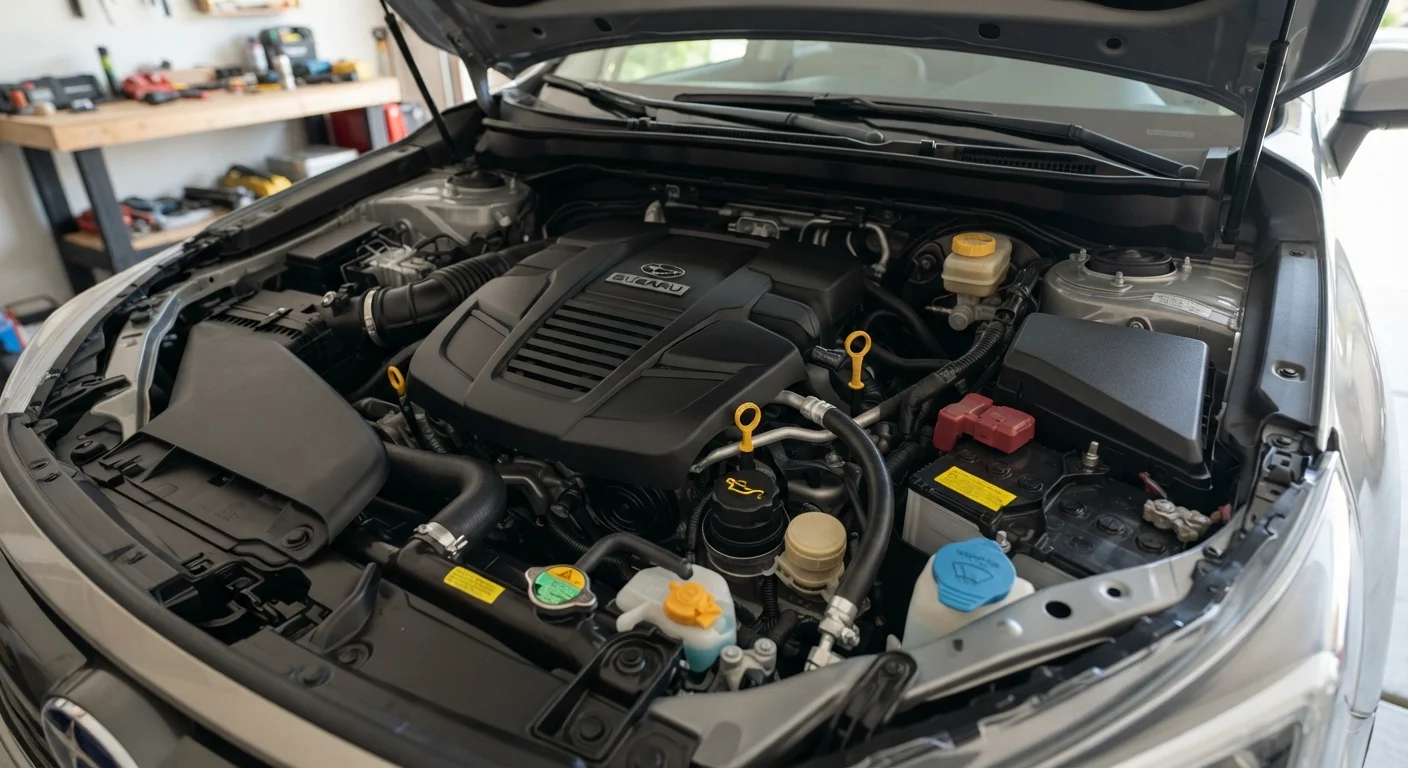
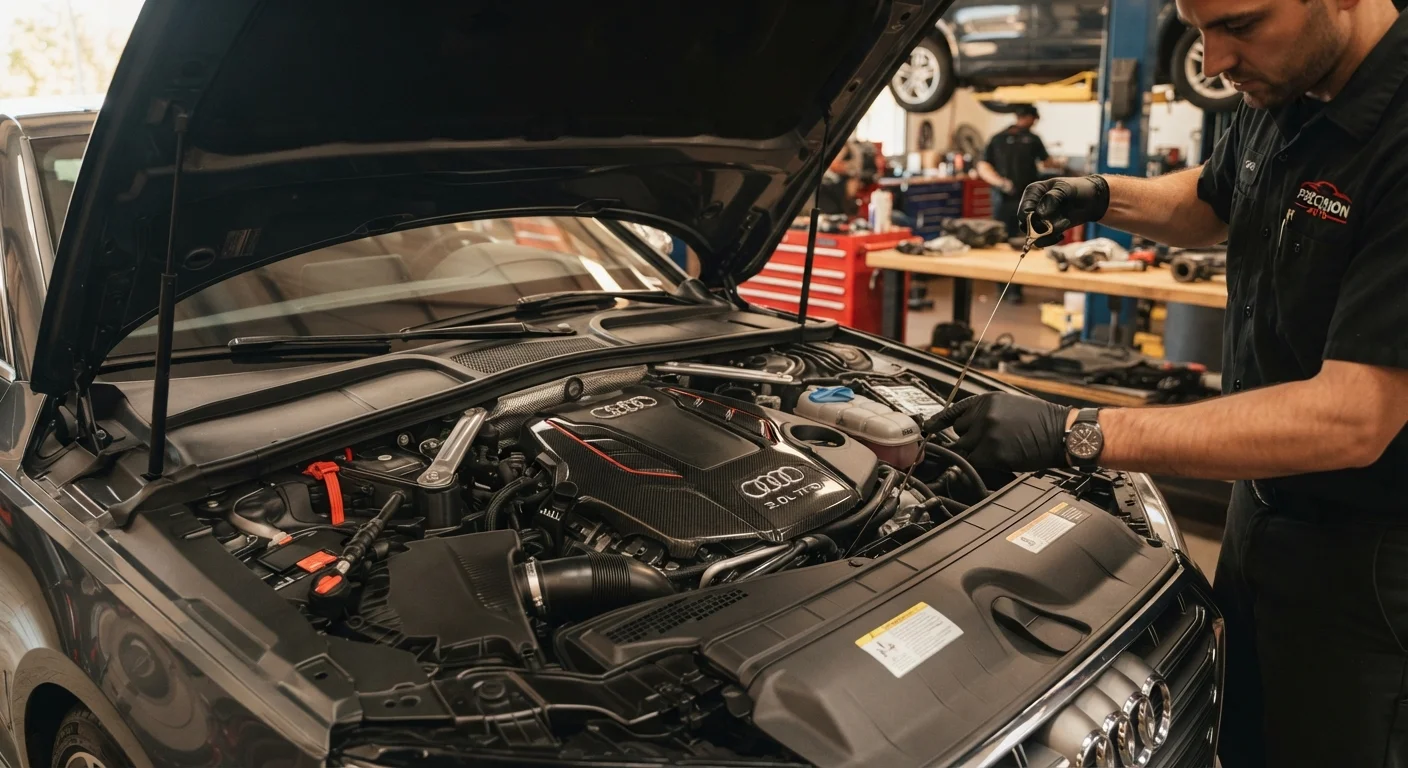
Good technique matters far less if your tires are worn, your brakes are soft, or your wipers are streaking. A pre-season inspection covering tires, fluids, and brakes pays dividends every time conditions worsen. See our seasonal car maintenance checklist for a complete walkthrough.
Understanding Your Vehicle's Safety Systems
Modern vehicles include several systems designed to help maintain control on slippery surfaces. Knowing what they do - and what they cannot do - prevents dangerous over-reliance.
- ABS (Anti-lock Braking System): Prevents wheels from locking under heavy braking, allowing the driver to maintain steering while stopping. It does not reduce stopping distance on ice; it maintains steer-ability.
- Traction Control: Reduces engine power or applies braking to individual wheels when wheel spin is detected. Helpful for moving from a stop on slippery surfaces, but not a substitute for appropriate speed.
- Electronic Stability Control (ESC): Detects a difference between the driver's intended path and actual vehicle movement, then selectively brakes individual wheels to help correct the trajectory. Required on all new U.S. passenger vehicles since 2012.
These systems are most effective when the driver is already operating at appropriate speeds. They cannot compensate for entering a curve too fast or following too closely. For a broader view of how driver behavior interacts with road conditions, see where crashes actually happen.
Black Ice Is Nearly Invisible
Black ice is a thin, transparent layer of ice that blends with the road surface, making it nearly impossible to detect visually. It forms most often on bridges, overpasses, exit ramps, and shaded stretches of road - especially when temperatures hover near freezing. If your steering suddenly feels unusually light or your car begins to drift without input, you may be on black ice. Lift off the accelerator gently and hold the wheel steady; do not brake suddenly.