Why This Decision Is Worth Thinking Through
Storage furniture - shelving units, wardrobes, bookcases, media consoles, drawer towers - shapes how every room in your home functions day to day. Yet most people choose between renting and owning it almost by default, based on habit or convenience rather than deliberate strategy.
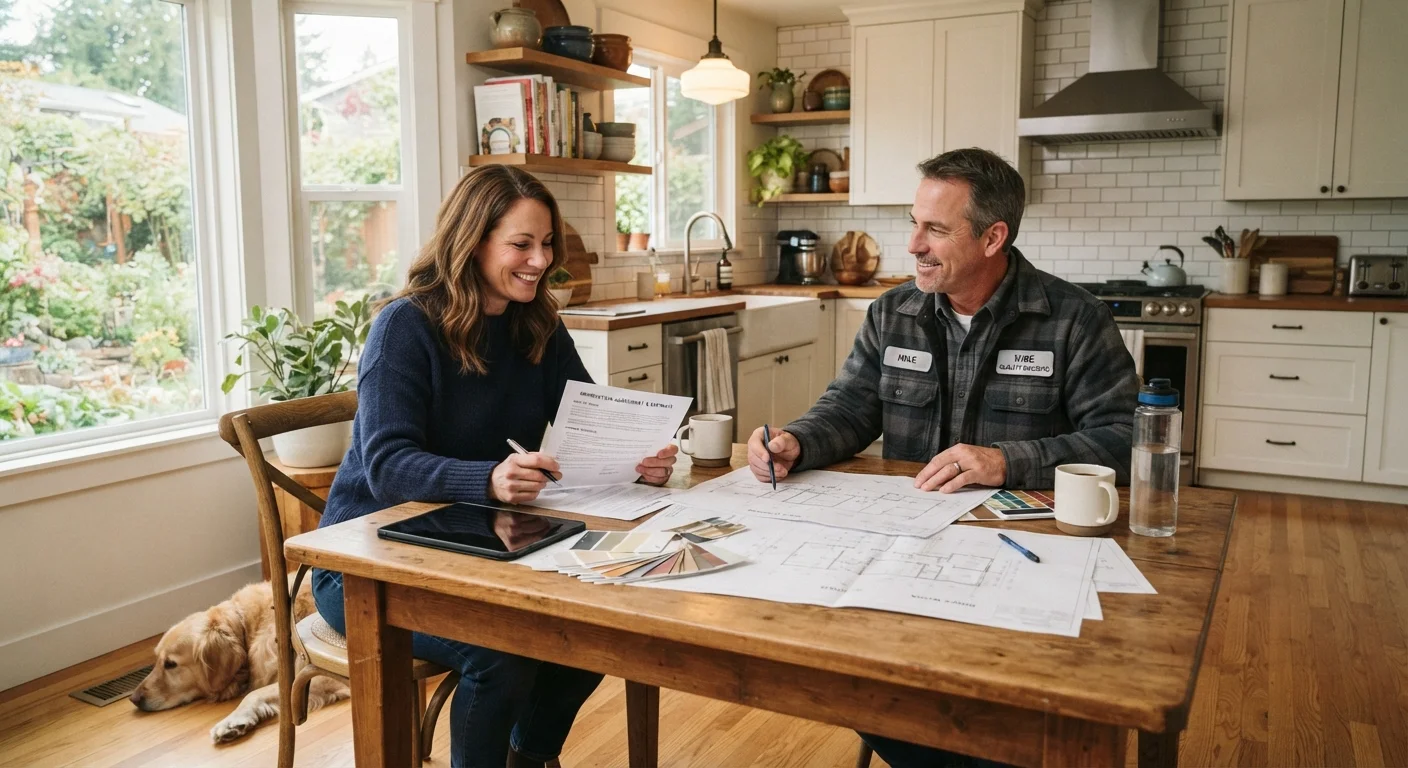
Before you commit either way, it helps to start with a clear picture of your actual storage needs. The home clutter assessment checklist is a useful first step - it walks you through every room so you understand your gaps before spending anything.
Once you know what you need, the renting-versus-owning question becomes much more answerable. The right answer hinges on a handful of practical factors: how long you'll be in your current home, your available budget, and whether your storage needs are likely to change.
Rental Furniture Is Not the Same as Lease-to-Own
Standard furniture rental agreements charge a recurring fee for use of an item without transferring ownership. Lease-to-own arrangements, by contrast, apply payments toward eventual purchase - often at a higher total cost than buying outright. Read any contract carefully to understand which model applies, including what happens if you want to end the agreement early. General financial guidance on evaluating these trade-offs can be found through resources on budgeting basics.
The Case for Renting Storage Furniture
Furniture rental services allow you to pay a monthly fee for items like wardrobes, shelving, and storage ottomans, returning or swapping them when your needs change. This model has grown alongside the rise of short-term leases and more mobile lifestyles.
No large upfront purchase cost required
Monthly rental payments spread cost over time, making storage accessible when cash is limited or space needs are uncertain.
Easy to swap or return when needs change
Rental agreements typically allow exchanges, so a unit that doesn't fit your room or workflow can be replaced without a loss.
No moving hassle for frequent relocators
Renters who move often can return furniture rather than hauling bulky shelving units between apartments or paying movers to transport them.
Repairs and replacements often covered
Many furniture rental services include maintenance or replacement for damaged pieces, reducing the risk of unexpected out-of-pocket costs.
For people living in apartments where wall-anchoring is restricted - or those unsure whether a current layout will hold - rented pieces carry no long-term commitment. If you're in a small apartment with limited footprint, being able to swap a unit that doesn't fit is genuinely valuable.
Rental also sidesteps the upfront cost barrier. A solid shelving unit can run several hundred dollars purchased new; renting spreads that cost into smaller monthly amounts, which may align better with a tight budget.
The Case for Owning Your Storage Furniture
Ownership makes the most sense when your space and storage needs are predictable. If you've been in your home for more than two years and expect to stay, the math typically favors buying - most furniture rental agreements become more expensive than purchase after 12 to 18 months of continuous use.
Higher total cost over 12-18 months
Rental fees accumulate quickly; most agreements become more expensive than an outright purchase within one to two years of continuous use.
Limited customization and style choice
Rental catalogs offer a narrower range of finishes, sizes, and configurations compared to the full retail market, making it harder to match your space precisely.
No asset value at end of rental period
Unlike purchased furniture, rented pieces build no equity - you cannot resell, repurpose, or pass them on when you're done with the service.
Ongoing dependency on provider availability
If a rental company changes its inventory, pricing, or goes out of business, you may face disruption to your storage setup mid-lease.
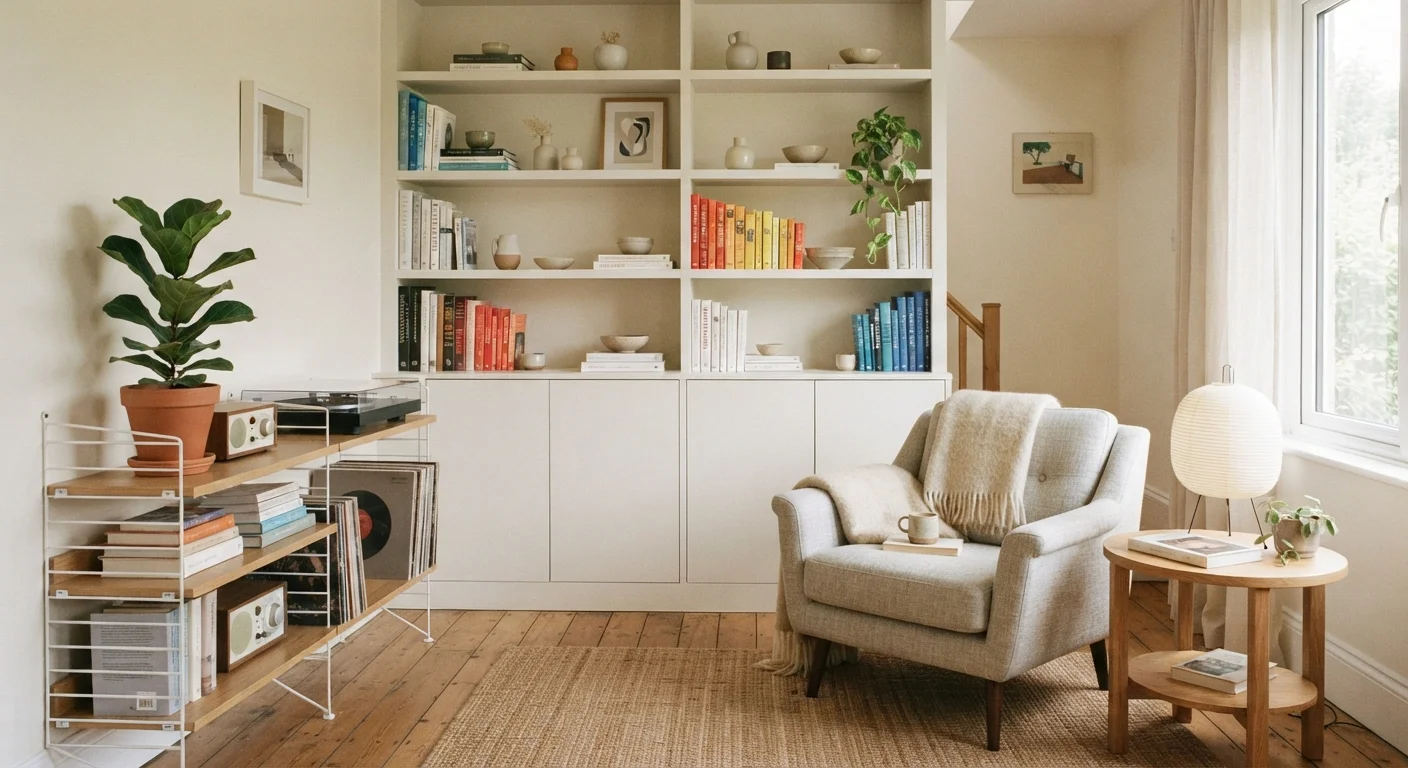
Owned storage also allows for a more tailored, permanent system. Built-in or wall-mounted shelving - properly installed with studs and appropriate hardware - makes far more efficient use of vertical space than most freestanding rental pieces. For ideas on maximizing that vertical dimension, see our guide to vertical vs. horizontal storage.
Ownership also means you choose quality. A well-made solid-wood or steel unit will outlast cheap flat-pack alternatives by years, reducing the cycle of replacement purchases over time.
12-18 months
When rental costs typically exceed purchase price
Industry estimates from furniture rental services suggest cumulative rental fees generally surpass the retail price of equivalent owned items within one to one-and-a-half years of continuous rental.
~30%
Resale value retained by quality storage furniture
Solid-wood and metal shelving units in good condition commonly retain a meaningful portion of their purchase price on secondhand markets, partially offsetting the original cost of ownership.
The Middle Ground: Modular and Freestanding Systems
Many organizers recommend a hybrid approach that doesn't require committing fully to either model. Modular, freestanding shelving systems - sold as individual components you purchase once - can be reconfigured, expanded, or moved from room to room as your needs shift. They're owned, so there's no ongoing fee, but they're flexible enough to adapt to new spaces.
This approach works especially well in shared households where storage needs are negotiated. If multiple people in a home have different preferences for how space is used, modular units allow each person's area to be adjusted without a full overhaul. The guide to organizing in shared households covers compromise systems that hold up over time.
For closet spaces specifically, freestanding modular systems are often the most practical owned option in rental apartments where permanent installation isn't permitted. The closet organization guide walks through how to build an effective system from scratch, whether installed or freestanding.
How to Make the Call for Your Situation
Run through these three questions before deciding:
- How long will you be in this space? Less than 12 months favors renting or avoiding large purchases altogether. More than two years generally favors owning.
- What are your budget constraints? Renting has a lower entry cost but higher long-term cost. Buying has a higher upfront cost but lower lifetime cost - and the item retains resale or reuse value.
- How stable are your storage needs? Growing families, hybrid work schedules, or frequent hobby changes mean your storage requirements may shift - a point in favor of flexible or modular owned systems rather than rigid rental contracts.
Storage furniture decisions are also a useful lens on broader spending habits. The principles covered in smarter spending habits apply directly: buying only what solves a real, documented problem - and choosing quality over quantity - tends to deliver better long-term value than reacting to immediate convenience.