What Each Approach Actually Means
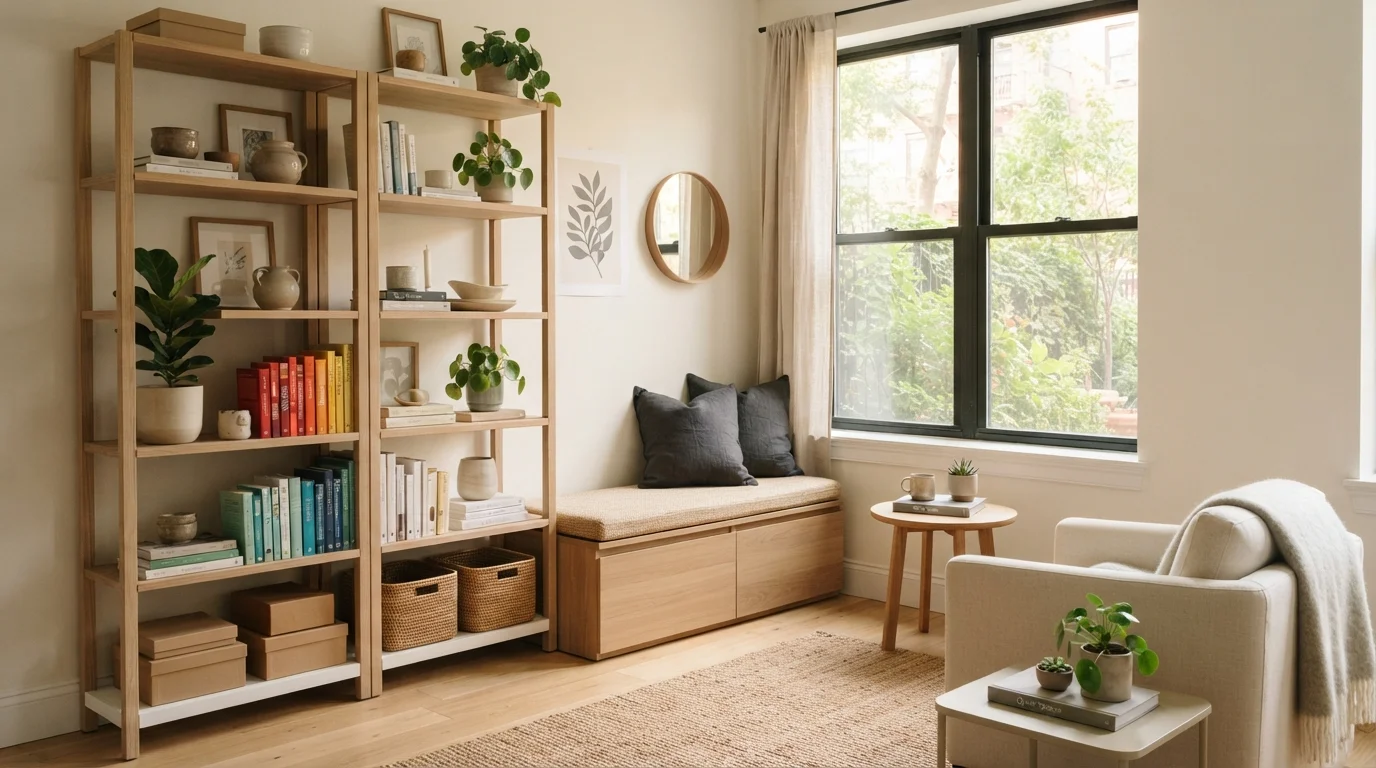
Vertical storage means using wall height - shelves, tall cabinets, pegboards, and wall-mounted organizers that draw the eye and your belongings upward. Horizontal storage means spreading items across a surface plane - think low dressers, coffee table trundles, storage benches, or under-bed bins.
Neither approach is universally superior. The real question is which one solves the specific problem your room presents. Understanding that distinction upfront saves a lot of wasted effort - and money spent on furniture that does not actually fit the space.
For a deeper foundation in how organizing systems work, see our guide on zones, bins, and labels - the same principles apply directly to deciding where to put storage in the first place.
| Criterion | Vertical Storage | Horizontal Storage |
|---|---|---|
| Primary benefit | Frees up floor space | Maximizes accessibility |
| Best room types | Kitchens, offices, small bedrooms | Entryways, living rooms, shared areas |
| Ideal ceiling height | 8 feet or higher | Any ceiling height |
| Accessibility | Requires step stool for upper items | Easy reach at hand or waist level |
| Safety considerations | Must be wall-anchored to prevent tipping | Generally stable; tripping hazard if overextended |
| Visual impact | Draws the eye up; can feel dramatic | Low profile; keeps room feeling open |
| Best for | Rarely accessed or overflow items | Daily-use or frequently grabbed items |
When Vertical Storage Wins
Vertical storage earns its keep in rooms where floor space is the limiting factor. A narrow kitchen, a small home office, or a studio apartment are classic examples. When you cannot spread out, building up is the practical alternative.
The most effective vertical storage systems share a few common traits: they use the full height of the wall rather than stopping at shoulder level, they organize items by frequency of use (most-used items at eye level, rarely-used items higher up), and they are securely anchored to wall studs - not just drywall anchors - to prevent tipping.
~50%
Wall height typically left unused in most rooms
Home organization professionals commonly note that most households use only the bottom half of their wall height for storage, leaving significant vertical capacity untapped.
8-9 ft
Standard ceiling height in U.S. homes
According to the U.S. Census Bureau, the majority of American homes built after 1980 have standard ceiling heights of 8 to 9 feet, making floor-to-ceiling shelving a viable option in most spaces.
Safety note: Any freestanding shelf unit or tall cabinet over roughly 30 inches should be anchored to the wall. This is especially important in homes with children. If you are unsure how to locate studs or secure furniture properly, a handyman can do this quickly and inexpensively.
Vertical storage also works well in closets. If your closet feels cramped, the solution is almost always better use of height - double hang rods, shelf risers, or a floor-to-ceiling shelving system. Our closet organization guide walks through that process step by step.
When Horizontal Storage Works Better
Horizontal storage has real advantages that vertical solutions cannot match. The most important is accessibility. Items stored at waist or counter height require no climbing, no step stool, and no overhead reaching. For everyday items - keys, shoes, remote controls, children's backpacks - that ease of access is worth more than raw storage capacity.
Horizontal storage also tends to work better in rooms that already have sufficient volume but poor surface organization. A living room with a cluttered floor benefits more from a storage ottoman or a media console with closed doors than from adding a tall bookshelf that disrupts the sightlines of the space.
One often-overlooked horizontal option: under-bed storage. In a small bedroom, the space beneath the bed is frequently wasted. Low-profile bins or drawers on casters can hold seasonal clothing, extra linens, or shoes - items that do not need frequent access but do need a home.
If you are working with a compact apartment, our article on storage strategies for tight footprints covers how to layer both approaches across an entire unit.
How to Use Both Together
In most small spaces, the smartest strategy is a deliberate mix. Use vertical storage for items you access weekly or less - seasonal gear, reference books, backup supplies. Use horizontal storage for daily-use items that need to be grabbed quickly without thought.
A practical starting framework: walk into the room and identify your high-frequency zone (the area where you spend most of your time and reach for things most often) and your low-frequency perimeter (walls, corners, and overhead space). Fill the perimeter vertically. Keep the high-frequency zone horizontal and uncluttered.
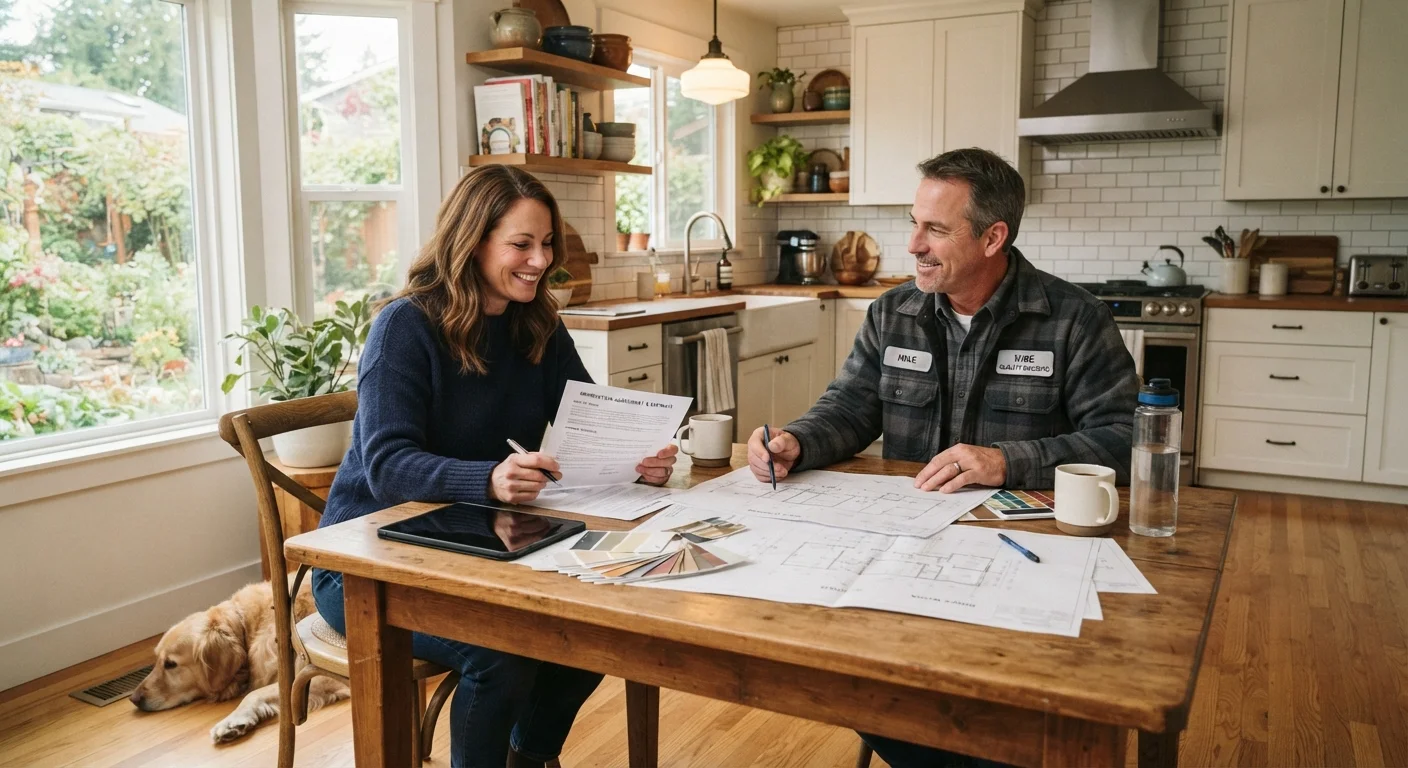
When household members have different preferences or routines, organizing around those differences matters - both vertical and horizontal systems need buy-in to stay maintained.
Before investing in new furniture, also consider whether purchasing is the right move at all. Our piece on renting vs. owning storage furniture outlines when flexibility beats permanence.