Why the 3,000-Mile Rule No Longer Applies
For decades, a sticker on the windshield and a piece of folk wisdom kept the same message consistent: change your oil every 3,000 miles. That advice made sense when engines had looser tolerances and conventional oil degraded faster. Today, it's largely obsolete - and following it costs drivers unnecessary time and money.
The vast majority of vehicles built in the past 15 years are engineered to run on full synthetic oil, which resists thermal breakdown far better than conventional formulations. Manufacturer-recommended intervals for these vehicles commonly range from 7,500 to 10,000 miles, with some models rated for up to 15,000 miles between changes. For a deeper look at how oil types differ, see our comparison of synthetic and conventional motor oil.
The single most reliable source for your correct interval is the owner's manual. It accounts for your specific engine design, the oil viscosity grade recommended, and the manufacturer's own testing. If you haven't consulted it lately, our piece on reading your owner's manual explains exactly what you'll find there.
What the Dipstick Actually Tells You
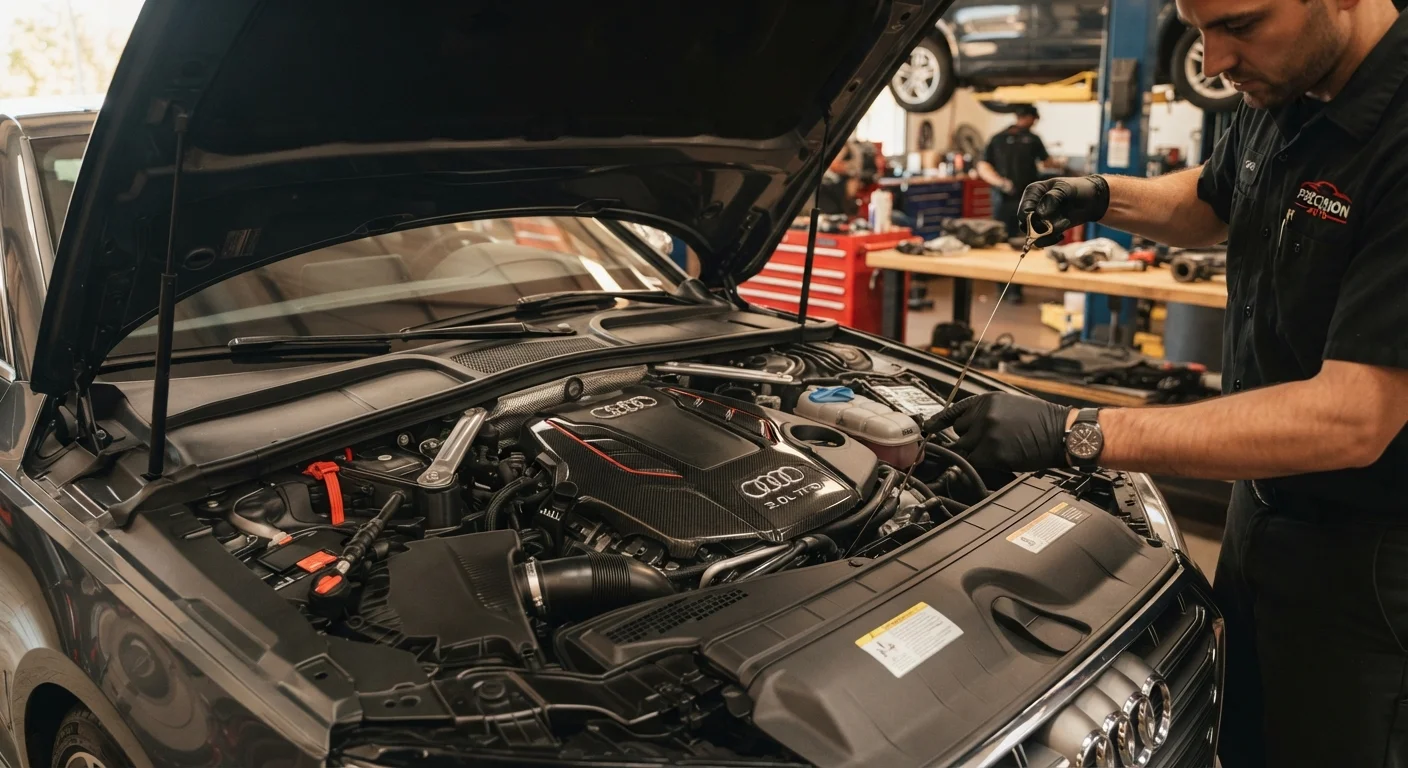
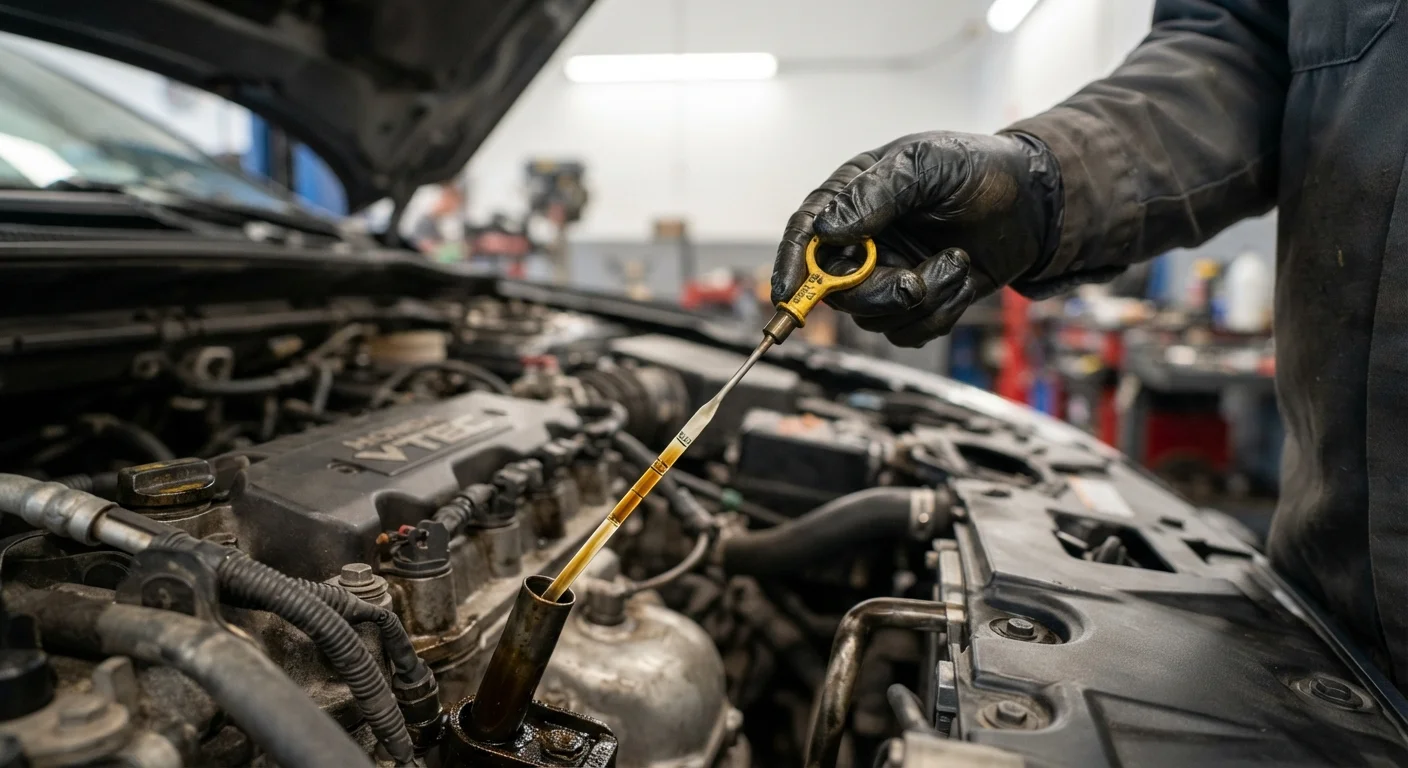
Pulling the dipstick is one of the simplest things a driver can do, but the information it provides is more limited than many people assume. The dipstick reliably tells you two things: oil level and a rough sense of oil consistency.
- Level: Oil should sit between the minimum and maximum marks. Significantly low oil can cause serious engine damage, so this check matters.
- Appearance: Fresh oil is typically amber and translucent. Milky or foamy oil can indicate coolant contamination - a serious issue requiring prompt professional attention. Gritty or metallic-feeling oil suggests internal wear.
What the dipstick cannot tell you is whether the oil's additive package is depleted, its viscosity has changed under heat cycling, or its total acid number has climbed. Those are chemical properties invisible to the naked eye.
7,500-10,000 mi
Typical synthetic oil change interval for modern vehicles
Most automakers now specify this range in owner's manuals for vehicles using full synthetic motor oil under normal driving conditions.
~40%
Estimated share of U.S. drivers still changing oil every 3,000 miles
Industry surveys have consistently found a significant portion of drivers maintain the outdated 3,000-mile habit despite manufacturer guidance recommending longer intervals.
Up to 15,000 mi
Maximum interval for some synthetic-rated engines
Certain manufacturer specifications - particularly for vehicles with advanced OLM systems and factory-fill synthetic oil - allow intervals approaching this figure under normal conditions.
For a full overview of what to look for across your vehicle's fluids, see Car Fluids Every Driver Should Know About.
How Oil Life Monitors Work - and Their Limits
Most vehicles sold since the mid-2000s include an Oil Life Monitor (OLM) that displays a percentage on the instrument cluster. When it hits 0% - or a low threshold like 5% - a warning prompts you to schedule a change.
It's important to understand what these systems measure: not the oil itself, but engine operating conditions. The algorithm tracks variables like cold starts, sustained high engine temperatures, engine revolutions, and load. From these inputs, it estimates how much protective capacity the oil has left.
This approach is sophisticated and generally reliable, but it has a practical limitation: the system can't directly detect contamination from a coolant leak, fuel dilution from an engine running rich, or the cumulative effect of unusually dusty environments. Under normal operating conditions, following the OLM is sound practice. Under unusual conditions, defer to the owner's manual interval or consult a qualified mechanic.
Reset Your Oil Life Monitor After Every Change
Many drivers forget to reset the OLM after an oil change, which causes the system to display inaccurate remaining life going forward. The reset procedure varies by make and model - your owner's manual will have the exact steps, and most take under a minute to complete.
Severe vs. Normal Driving Conditions
Owner's manuals typically list two maintenance schedules: normal and severe. Most drivers assume they fall into the normal category - but the severe definition is broader than expected.
Severe conditions commonly include:
- Frequent trips under five miles, especially in cold weather (the engine never fully warms up, causing moisture and fuel to mix into the oil)
- Stop-and-go city driving for extended periods
- Towing trailers or hauling heavy cargo regularly
- Driving in extreme heat or sustained sub-freezing temperatures
- Extended idling (rideshare, delivery, or farm use)
If your driving pattern matches any of these, following the shorter severe-duty interval is the more prudent choice - even if the OLM hasn't triggered yet. Consistent upkeep under demanding conditions pays dividends over time; our article on the long-term case for consistent vehicle upkeep outlines the broader picture. And if you've encountered the advice that engines need to warm up before driving in winter or other maintenance folklore, our piece on common car maintenance myths covers what's actually true.