What Defensive Driving Actually Means
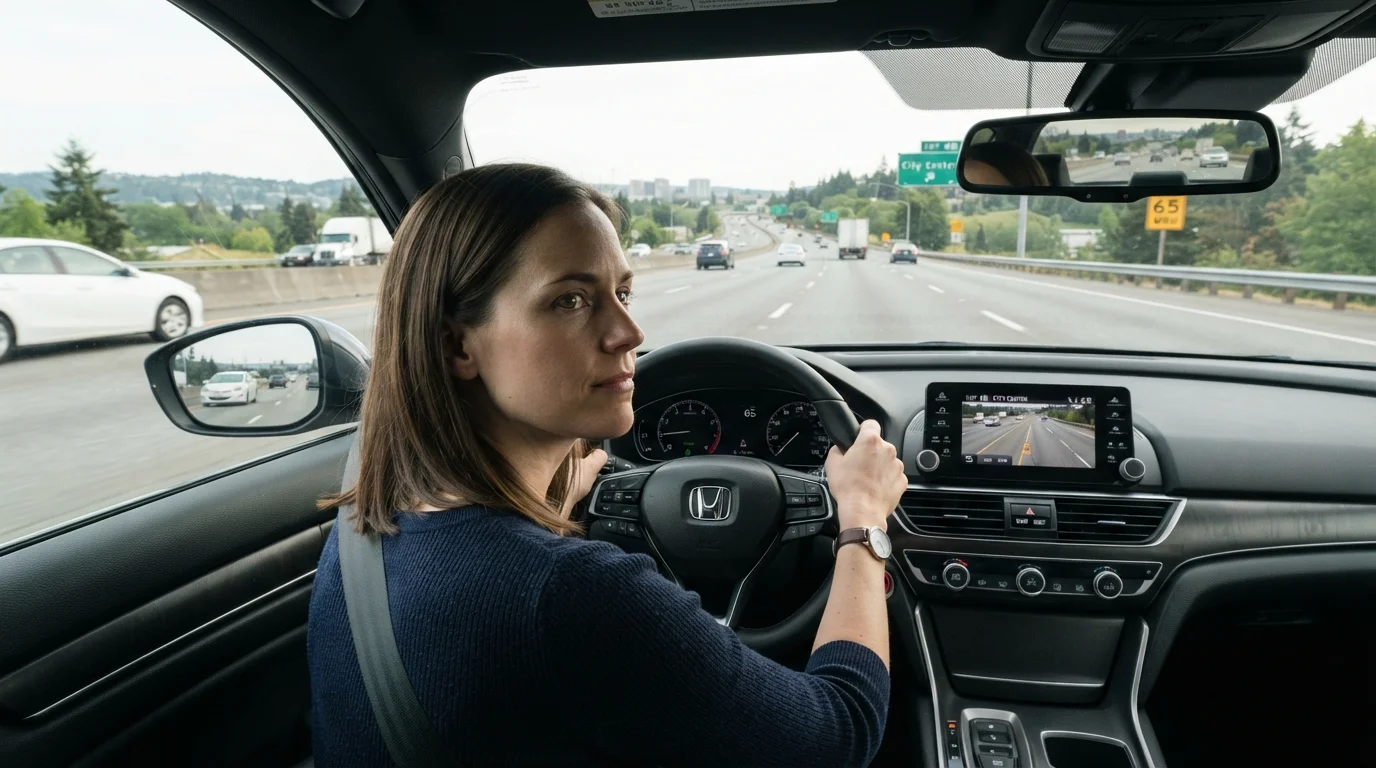
Defensive driving is often reduced to a vague instruction to "be careful," but it has a much more precise meaning. At its core, defensive driving means operating your vehicle in a way that anticipates hazards - including the mistakes of other drivers - rather than simply reacting to them after they occur.
The distinction matters. A reactive driver slams the brakes when a car cuts in front of them. A defensive driver has already identified that vehicle as a risk, created extra space, and is mentally prepared for the lane change before it happens. That difference in framing - anticipation versus reaction - is the foundation of everything else.
It's also worth separating defensive driving from overly cautious or slow driving. The goal is not to hesitate at every intersection or crawl through traffic. It's to make decisions that consistently reduce your exposure to risk, keeping options open and maintaining control no matter what happens around you.
The Core Principles Behind the Practice
Several interlocking principles define what defensive driving looks like in practice:
- Scan far ahead. Most drivers focus on the car directly in front of them. Defensive drivers look 10-15 seconds ahead - scanning for brake lights, merge situations, pedestrians, and changing conditions before they become immediate problems.
- Manage following distance. A 3-second gap (at minimum) between you and the vehicle ahead gives you time to react. In rain, at highway speeds, or when fatigued, increase that gap.
- Expect the unexpected. Treat every intersection, driveway, and merge point as a potential hazard, even when you have the right of way. Right of way is a legal concept - it doesn't physically prevent a collision.
- Control your speed. Posted limits reflect ideal conditions. Adjust for weather, visibility, traffic density, and road surface. Speed directly determines both the likelihood of a crash and its severity.
- Minimize distractions. Defensive driving demands continuous attention. Phone use, passengers, and in-car systems all compete for the cognitive bandwidth you need to anticipate hazards.
Daily Habits That Make the Difference
Principles only produce results when they translate into consistent daily behavior. These are among the most impactful habits to develop:
- Adjust mirrors before moving. Proper mirror positioning eliminates the largest possible blind spots before you encounter a situation that requires you to check them under pressure.
- Check intersections even on green. Confirm cross-traffic has stopped before proceeding. Red-light violations remain a leading cause of urban intersection crashes.
- Signal early and deliberately. Signaling late or not at all removes predictability from your driving - predictability is something defensive driving actively provides to everyone around you.
- Avoid clustering with other vehicles. Driving in another car's blind spot, or sandwiched between trucks, eliminates your escape routes. Position yourself where you have the most options.
For highway-specific applications of these habits - from on-ramp entry to lane management - see our complete highway safety guide.
Practice the 3-Second Rule Consistently
Choose a fixed roadside object - a sign, a bridge - and count the seconds from when the car ahead passes it to when you do. If you reach it in under three seconds, you're following too closely. This simple check costs nothing and works at any speed.
Situations Where Defensive Driving Is Most Critical
While defensive habits apply everywhere, certain scenarios demand heightened vigilance:
Merging and lane changes account for a disproportionate share of highway incidents. The combination of speed differentials, blind spots, and driver inattention creates a narrow window for error. Our article on merging, lane changes, and blind spots breaks down exactly where these crashes occur and how to navigate them more safely.
Fatigue is a separate but equally serious threat to defensive driving. A tired driver loses the sustained awareness the approach depends on - reaction times lengthen and hazard recognition degrades. If you feel drowsy, defensive driving isn't possible at full effectiveness. The practical strategies in our guide on how fatigue impairs driving are worth knowing before a long trip.
Adverse weather and night conditions compress the time and distance available to respond to hazards. Reducing speed, extending following distance, and scanning more actively are the core adjustments - principles that apply equally during rain, fog, or darkness.
Building the Mindset Over Time
Defensive driving isn't a one-time decision - it's a mindset that has to be actively maintained. Familiarity is one of the biggest obstacles: the more comfortable a driver becomes with a route or vehicle, the easier it is to let attentiveness drift.
A useful practice is to treat every trip as a deliberate exercise, not a routine. Before you pull out, ask yourself whether your mirrors are set, whether you know current road conditions, and whether you're in a clear mental state to drive. Fatigue, distraction, and emotional agitation are all states that compromise defensive capability before you've even left the driveway.
For newer drivers, these habits are especially important to establish early. The patterns formed in the first years of driving tend to persist. Our resource on building habits for new drivers offers additional guidance for those just starting out.
With consistent practice, the individual behaviors - scanning ahead, managing space, signaling clearly - begin to integrate into a unified, low-effort awareness. That's the point where defensive driving stops feeling like extra effort and starts feeling like simply how you drive.
Night Driving Habits That Significantly Reduce Your Risk
A practical companion to defensive driving fundamentals, focused specifically on the adjustments that matter most after dark when visibility and reaction time are reduced.
How Fatigue Impairs Driving (and What Actually Helps)
Covers the science of drowsy driving and which strategies genuinely help - essential reading before long trips or any drive when you haven't slept well.