
Why Budget Home Improvement Requires a Plan First
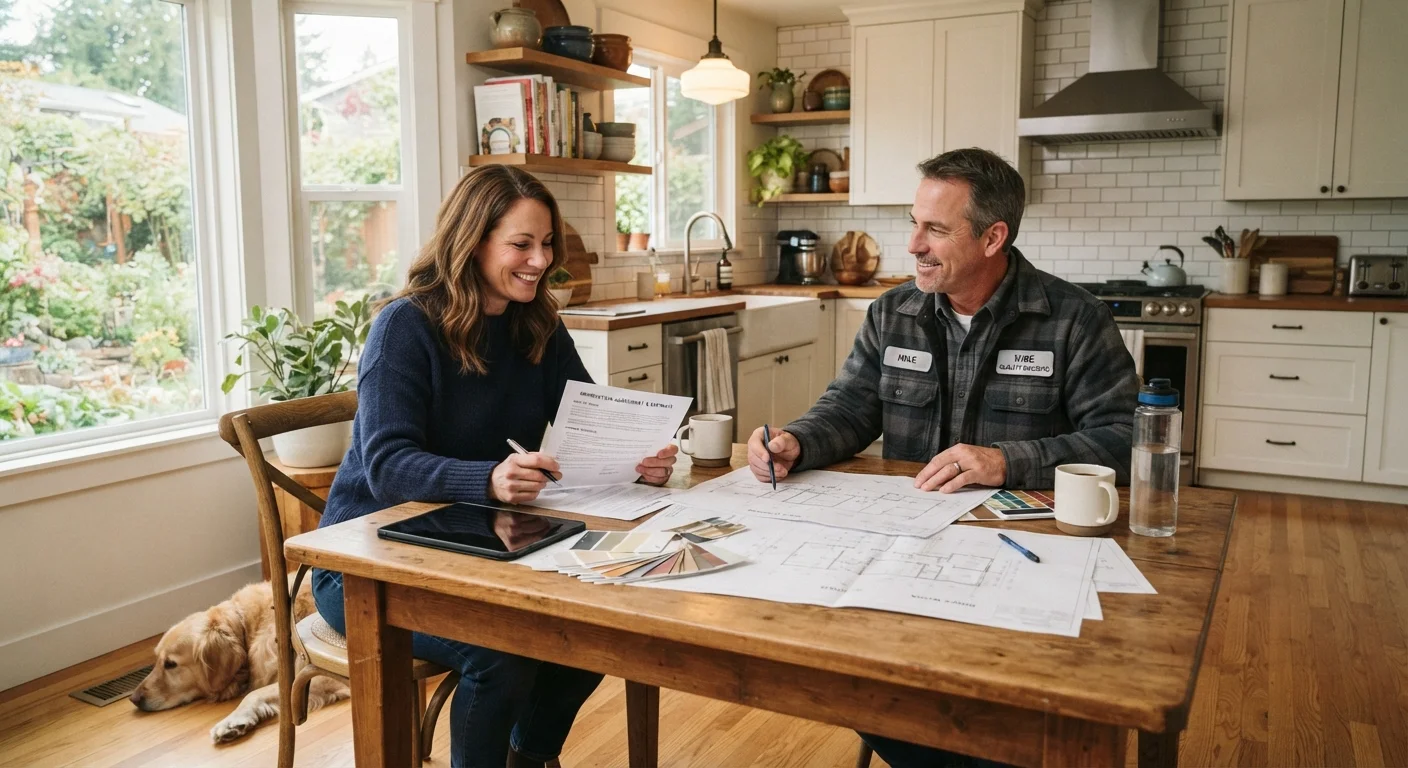
The single biggest mistake budget-conscious homeowners make is starting a project without a written scope and cost estimate. Without a plan, small decisions compound into large overruns. Before picking up a tool, list every task the project involves, research material costs at local suppliers, and add a 10-20% contingency buffer for surprises - because surprises are standard, not exceptional.
Prioritization matters just as much as math. A fresh coat of paint looks appealing, but if your gutters are pulling away from the fascia, moisture damage will cost far more to fix later. Work through a simple triage: address anything affecting structural integrity, water management, or safety first. Cosmetic improvements come after. This sequence protects your home's value and prevents you from spending renovation money on a house that needs repair money. See our guide to projects that routinely exceed budget to understand where costs most often balloon.
Know Your Spending Baseline First
A home improvement budget is part of your overall household financial picture. Before committing funds to a project, it helps to understand where your money currently goes each month. Our spending awareness guide walks through how to audit your expenses before writing any budget down - a useful step before allocating money to renovation work.
The Real Advantages of DIY on a Budget
When the fit is right, doing the work yourself delivers genuine financial and practical benefits that go beyond the labor savings on a single invoice.
Significant labor cost savings on eligible projects
Labor typically accounts for 40-65% of total project cost. Handling straightforward tasks yourself - painting, patching, simple tile work - eliminates that portion of the invoice entirely.
Flexible scheduling on your own timeline
DIY projects can be paused, broken into phases, and timed around your cash flow rather than a contractor's calendar or deposit schedule.
Skill-building that benefits future projects
Competence gained on a basic project - caulking, patching, basic carpentry - transfers directly to similar tasks, reducing learning time and cost on each subsequent job.
Greater control over material quality and sourcing
When you manage procurement yourself, you choose exactly what goes into your home rather than accepting whatever a contractor sources for convenience or margin.
Satisfaction and increased homeowner confidence
Completing a project firsthand builds familiarity with your home's systems and layout, which helps you spot issues earlier and communicate more effectively with professionals when needed.
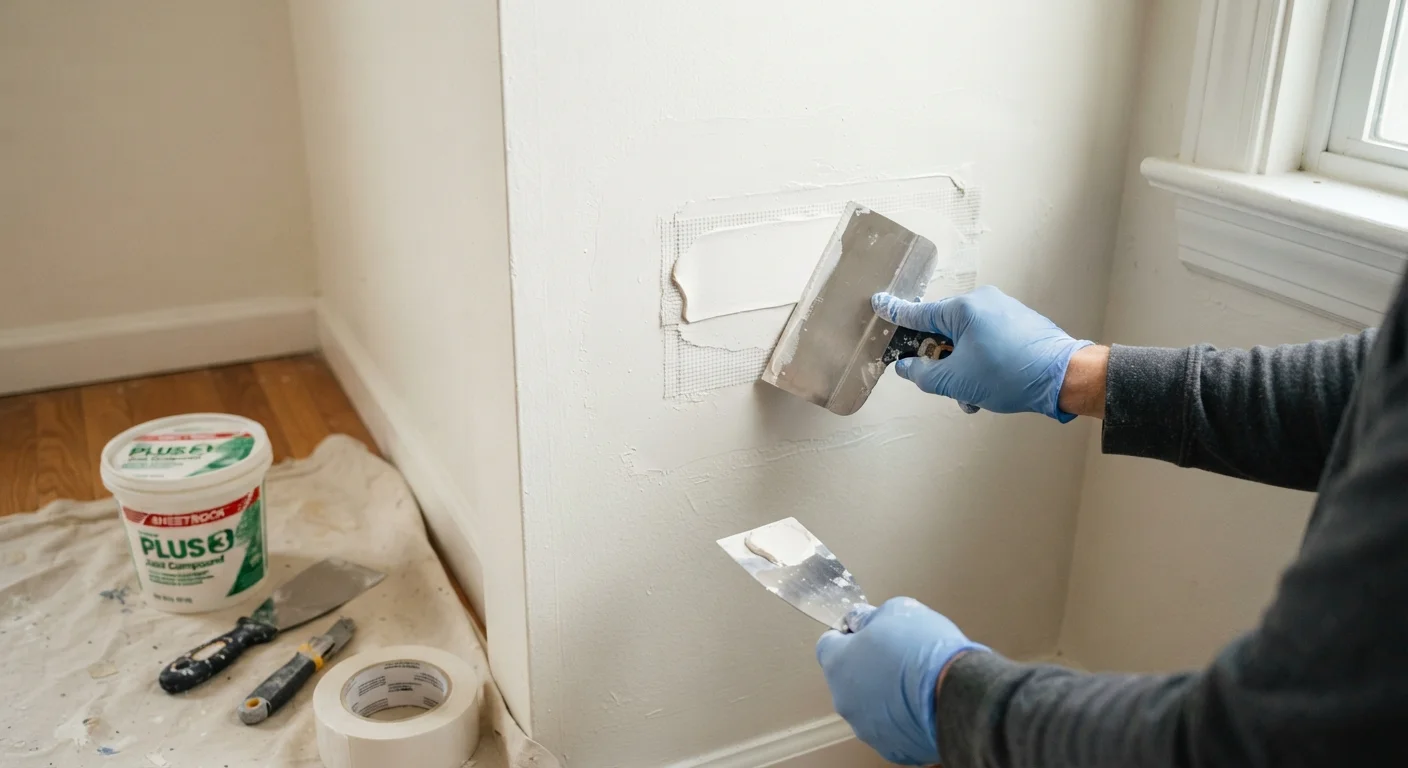
Tasks like painting, basic drywall patching, caulking, tile replacement, and landscaping are well within reach for motivated beginners. Free tutorial resources - manufacturer guides, extension service publications, and public library databases - have made skill acquisition more accessible than at any previous point. Building competence on smaller projects also prepares you to take on slightly more complex work over time, compounding your savings.
The Honest Disadvantages You Should Weigh
A balanced view of budget DIY requires acknowledging the real risks, not just the upside. Underestimating a project's complexity is the most common way homeowners end up spending more than a contractor would have charged.
Underestimating complexity leads to costly mistakes
A task that looks simple on video may involve hidden complications - uneven surfaces, outdated materials, or structural quirks - that require experience to navigate without damage.
Time investment is often far larger than expected
Inexperienced homeowners routinely spend three to five times longer on a task than a skilled tradesperson would, which has real opportunity cost even when labor is unpaid.
Some work legally requires licensed professionals
Electrical panel work, gas line connections, and structural modifications are regulated by code in most jurisdictions; doing them without a license can void homeowner's insurance and create liability.
Tool costs can erode or eliminate savings
Specialized tools - tile saws, flooring nailers, pipe wrenches - add up quickly if purchased new; always factor rental costs or acquisition costs before comparing DIY to professional quotes.
Errors can require professional remediation at higher total cost
A botched tile installation or improperly patched area may need professional removal and redo, resulting in a total cost higher than hiring out from the start would have been.
Permit obligations still apply to homeowner-completed work
Many jurisdictions require permits for structural, electrical, and plumbing work even when a homeowner does it themselves; skipping permits can cause problems during home sales or insurance claims.
Time investment is often invisible in DIY cost comparisons. A weekend project that takes a professional four hours may take an inexperienced homeowner two full days - time that has real personal value. Mistakes on certain systems also carry safety or legal consequences. Work involving electrical panels, gas lines, or structural modifications typically requires a licensed tradesperson and a permit regardless of your budget goals. Our article on DIY electrical work explains which tasks are homeowner-appropriate and which are not. Similarly, skipping required permits can trigger fines and complications at resale.
Stretching Your Materials Budget
Labor is typically the largest cost in any renovation, but materials are where budget homeowners have the most direct control. Several sourcing strategies can reduce what you spend without reducing quality.
40-65%
Share of project cost typically attributable to labor
Industry cost-breakdown analyses consistently show labor is the largest single line item in most residential renovation projects.
10-20%
Recommended contingency buffer for home projects
Construction and renovation professionals generally advise adding this range above your estimated project cost to cover unexpected conditions or material changes.
3-5×
Longer time DIY beginners often take versus professionals
Home improvement educators frequently cite this multiplier when advising homeowners to account for their true time investment before committing to self-directed work.
- Habitat for Humanity ReStores and similar nonprofit outlets sell donated cabinets, lumber, tile, fixtures, and hardware at steep discounts.
- Contractor overstock and surplus dealers carry discontinued or excess materials - often first-quality - at a fraction of retail price.
- End-of-season timing matters: patio materials, outdoor paint, and landscaping supplies typically drop in price as seasons change.
- Online local classifieds frequently list salvaged flooring, doors, and trim from renovation teardowns - often free or very low cost.
Before purchasing any material, confirm quantities precisely. Overbuying wastes money; underbuying means a second trip and potential dye-lot mismatches in flooring or tile. Spending an hour measuring accurately saves more than hunting for discounts does. For projects that involve discretionary spending alongside home costs, reviewing your overall approach to intentional purchasing can reinforce disciplined habits across categories.
When to Hire Out - and How to Do It Wisely
Budget-conscious does not mean do-it-all-yourself. Knowing when to hire a professional is itself a money-saving skill. The projects most likely to require outside help include anything touching your home's load-bearing structure - our article on load-bearing walls explains why this is not an area for guesswork - as well as gas appliances, main plumbing connections, and roofing in many climates.
When you do hire, the vetting process protects your budget from poor workmanship. Verify licensing and insurance, request written estimates from at least three contractors, and insist on a detailed written contract before any work begins. Our contractor hiring guide covers the specific questions that separate reliable professionals from risky ones. Finally, coordinate home improvement spending with your broader household financial picture - especially if you share finances with a partner, where aligning on shared budget goals reduces friction before a project even starts.