Why Pre-Season Prep Makes the Whole Year Easier
Most garden problems - patchy grass, stunted vegetables, plants that never seem to thrive - trace back to skipped steps in early spring. The soil wasn't ready. The seeds went in too early. The beds were still full of last year's debris. A little focused preparation before a single seed goes into the ground changes all of that.
This checklist walks you through everything that should happen before you plant: soil work, tool maintenance, pruning, lawn care, and scheduling. Work through it in roughly the order it appears, since some tasks set up the conditions for others. If you plan to grow vegetables for the first time, our guide from bare soil to harvest picks up right where this checklist leaves off.
Yard and Bed Cleanup
Tool Maintenance
Soil Preparation
Pruning and Plant Assessment
Lawn Care
Planning and Scheduling
Tools and Resources You'll Need
You don't need a garage full of gear to get through this checklist, but having the right tools on hand before you start saves repeated trips to the shed. Here's what to gather.
Garden fork or spade
Used to loosen and turn compacted soil in beds before planting.
Hand pruners (secateurs)
For removing dead stems, shaping shrubs, and cutting back perennials.
Loppers
Handles thicker branches that hand pruners can't cut cleanly.
Soil test kit or county extension service
Determines your soil's pH and nutrient profile before you add any amendments.
Whetstone or hand file
Used to sharpen blades on pruners, hoes, and spades for cleaner cuts.
Lawn mower with sharpened blade
Maintains grass at the correct height once active growth begins.
Core aerator (manual or rented)
Removes small plugs of soil to reduce compaction and improve lawn health.
Compost or aged organic matter
Added to beds to improve soil structure, drainage, and nutrient availability.
Soil, Lawn, and Planting Tips to Keep in Mind
A few important concepts will help you apply this checklist more effectively.
Know Your Last Frost Date
Your local average last frost date determines when it's safe to direct-sow or transplant warm-season plants outdoors. You can find this date through your local cooperative extension service. Count backward from that date when starting seeds indoors - most seed packets tell you how many weeks of indoor lead time each plant needs.
Don't Skip the Soil Test
Soil tests aren't just for serious gardeners. An inexpensive test kit or a county extension soil analysis will tell you your soil's pH and basic nutrient levels. Amending blindly - adding lime, sulfur, or fertilizer without knowing what's already there - can create as many problems as it solves. If you're building up compost to add to beds, our guide on turning kitchen scraps into garden gold explains how to make your own rich soil amendment for free.
Lawn and Garden Work in the Right Order
Aerate and overseed your lawn after you've finished digging or amending garden beds nearby - foot traffic and wheelbarrows can compact soil you've just loosened. For a full month-by-month view of what your lawn needs throughout the year, see our lawn care seasonal reference.
Don't Fertilize Too Early in the Season
Applying fertilizer to grass or garden beds before plants are actively growing can push tender growth that is then damaged by a late frost. It can also cause nutrients to wash away in spring rain before roots can absorb them. Wait until you see clear signs of active growth before feeding anything.
Choosing What to Grow and Where
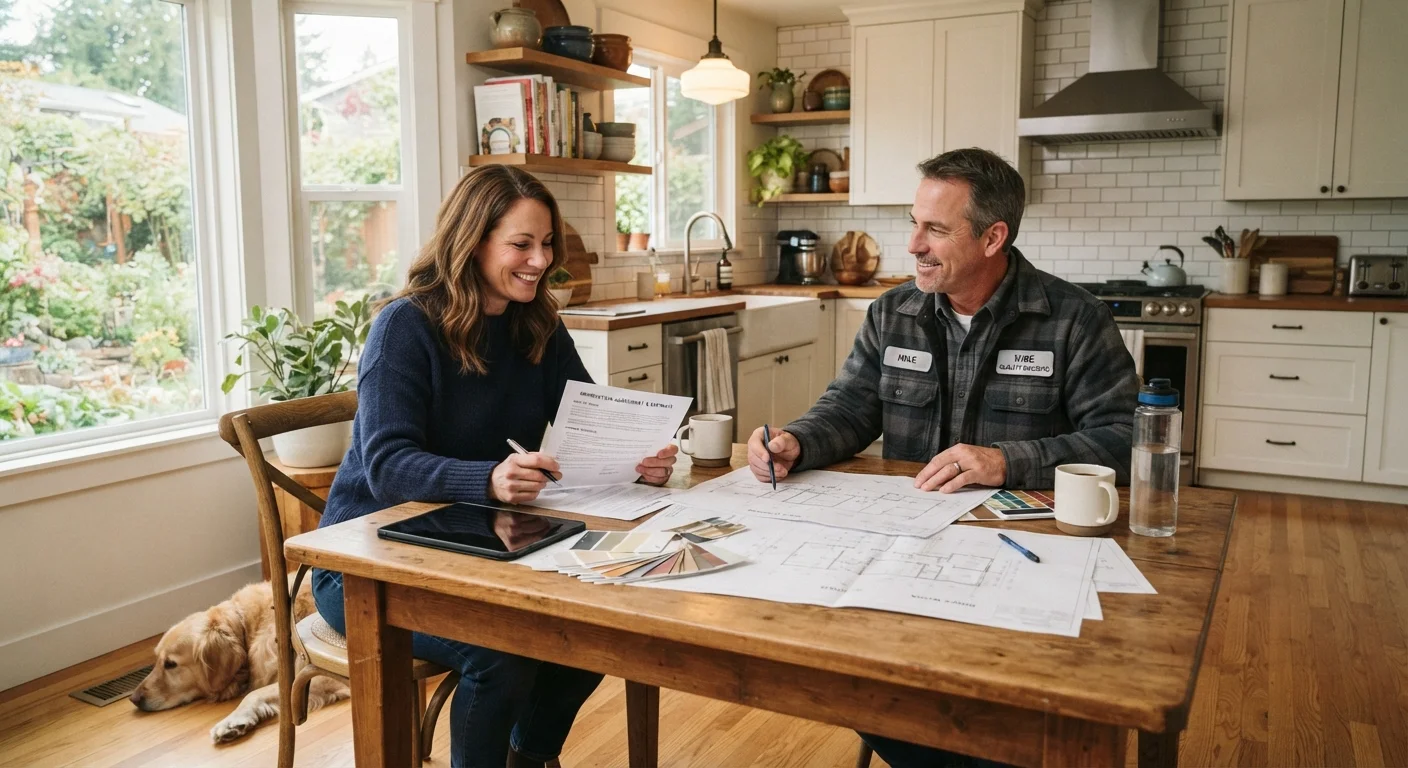
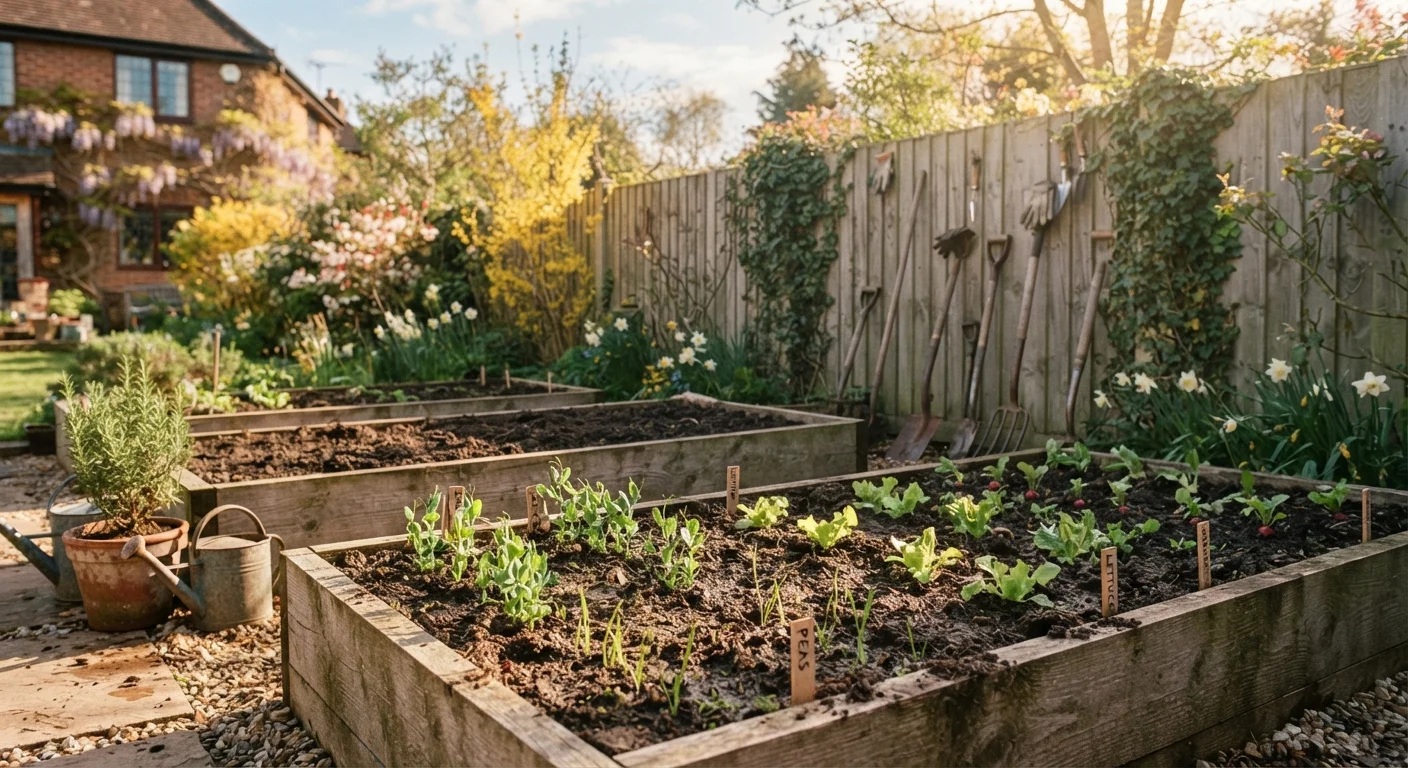
Before you buy a single plant or seed packet, sketch a rough layout of your growing space. Consider how much sun each area gets, whether you're working with raised beds or in-ground planting - our guide weighing the trade-offs covers both approaches honestly - and whether you want plants that return each year or a fresh planting each season. Understanding the difference between perennials and annuals before you shop prevents a lot of confusion at the garden center.
Frost Risk Can Destroy Transplants Overnight
Even a single unexpected frost after planting can kill warm-season seedlings that took weeks to grow. Always check a 10-day weather forecast before transplanting outdoors, and keep row covers or old bedsheets on hand to protect plants if temperatures drop unexpectedly after you've put them in the ground.